King Penguins:
Habitat, Diet, Lifespan, and Facts
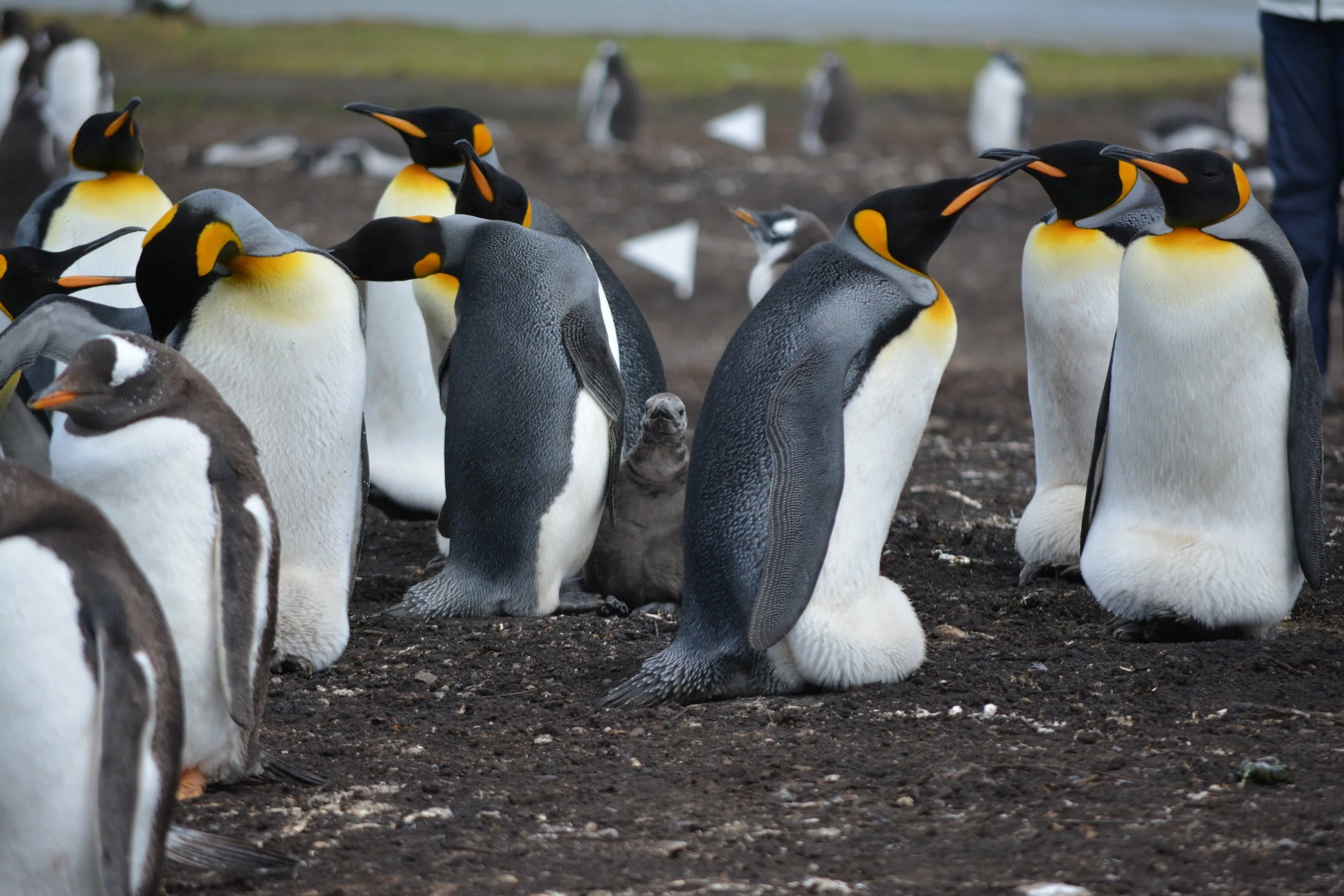
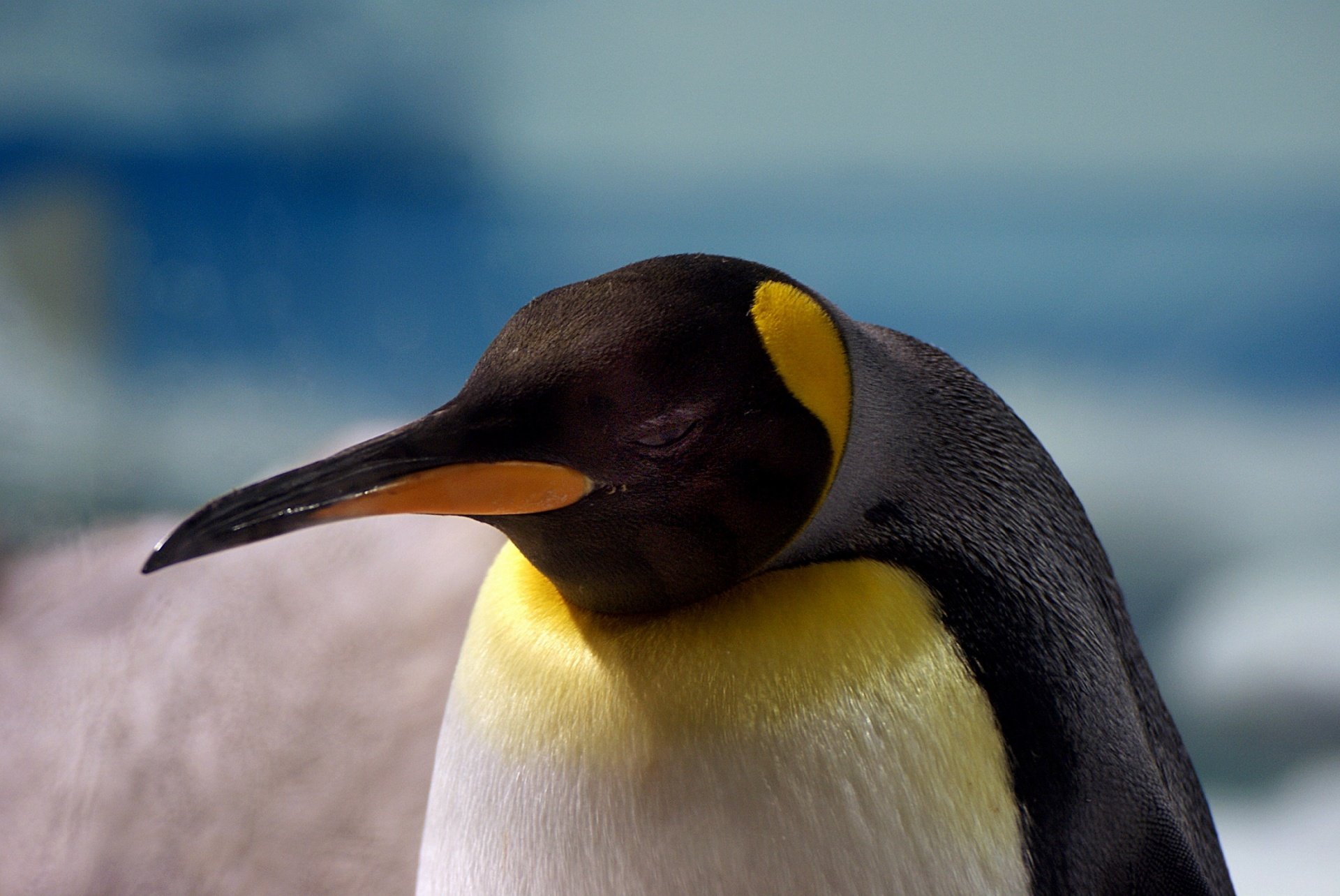
The king penguin (Aptenodytes patagonicus) is the second-largest penguin species, native to subantarctic islands in the Southern Ocean. It feeds primarily on fish and squid.
Quick Facts About the King Penguin
Scientific name: Aptenodytes patagonicus
Height: 85–95 cm (33–37 in)
Weight: 9–18 kg (20–40 lb)
Lifespan: 15–26 years in the wild
Habitat: Subantarctic islands; South Georgia, Kerguelen, Falkland Islands
Diet: Lanternfish, squid, small fish
Conservation status (IUCN): Least Concern
What Is the King Penguin's Natural Habitat?
King penguins inhabit subantarctic islands between approximately 45°S and 55°S latitude. Major breeding colonies are found on South Georgia Island, the Crozet Islands, the Kerguelen Islands, Macquarie Island, and the Falkland Islands. These islands provide flat, ice-free coastal areas suitable for large, densely packed colonies.
Unlike the emperor penguin (Aptenodytes forsteri), which breeds on Antarctic sea ice during winter, king penguins breed on vegetated or rocky subantarctic shores. This distinction means king penguins are not exposed to the extreme temperatures that characterize emperor penguin breeding grounds.
King penguins spend a significant portion of their lives at sea, foraging in the open waters of the Southern Ocean. They return to land only to breed and molt.
What Is the King Penguin's Diet?
King penguins are active predators that feed primarily in open-ocean and deep-sea environments. Their diet consists mainly of myctophid fish (lanternfish), squid, and other small, deep-water fish. Diet composition can shift seasonally depending on prey availability.
King penguins are deep divers, routinely reaching depths of 100–300 m (330–985 ft) and, in some individuals, exceeding 300 m (985 ft). Unlike the Adélie penguin (Pygoscelis adeliae), which feeds predominantly on Antarctic krill near the surface, king penguins target fish at greater depths and travel farther from shore during foraging trips.
What Is the King Penguin's Lifespan?
In the wild, king penguins typically live between 15 and 26 years. Some individuals in managed care have lived beyond 30 years, though wild lifespans are generally shorter due to environmental pressures.
Sexual maturity is reached at approximately 3 years of age, though most individuals do not breed successfully until 5–6 years old. The breeding cycle of the king penguin is unusually long, lasting approximately 14–16 months from egg-laying to chick independence. This extended cycle means that successful pairs can complete at most two breeding attempts in three years.
Chick development is slow relative to most penguin species. Chicks spend their first winter in large crèches on land, surviving on stored fat reserves during periods when parents are at sea foraging.
Does the King Penguin Have Any Natural Predators?
At sea, king penguins face predation from leopard seals (Hydrurga leptonyx) and orca (Orcinus orca). Leopard seals are opportunistic predators and target penguins during their transit between the water and shore. Orca predation is less frequent but has been documented in some subantarctic locations.
On land, king penguin eggs and chicks are vulnerable to skuas (Stercorarius spp.) and giant petrels (Macronectes spp.), which prey on unattended or weakened chicks. Adult king penguins on land have few natural predators. Introduced mammals such as cats and rats pose localized threats on certain islands where eradication programs have not been completed.
The king penguin is currently classified as Least Concern on the IUCN Red List. However, certain colonies—particularly on the Crozet Islands—have shown significant population declines in recent decades. Researchers attribute these changes to shifts in prey distribution linked to ocean warming, which forces penguins to travel greater distances during foraging trips. Commercial fishing in the Southern Ocean also reduces prey availability in some regions. Unlike the African penguin (Spheniscus demersus), which is listed as Endangered, king penguins maintain large global population numbers, estimated at over 2 million breeding pairs.
Frequently Asked Questions About King Penguins
What Is the King Penguin's Scientific Name?
The king penguin's scientific name is Aptenodytes patagonicus. It belongs to the genus Aptenodytes, which it shares with the emperor penguin. The species name patagonicus references Patagonia, near where early specimens were first described.
What Is the Height of a King Penguin?
King penguins stand between 85 and 95 cm (33–37 in) tall. This makes them the second-tallest penguin species after the emperor penguin, which can reach up to 120 cm (47 in). Adult males and females are similar in height, though males are slightly heavier on average.
What Is a King Penguin Fun Fact?
King penguins produce a single egg per breeding attempt and incubate it by balancing it on their feet under a brood pouch. Both parents share incubation duties in alternating shifts. The complete breeding cycle, from egg-laying to chick fledging, takes approximately 14–16 months.